

From SupTech to GovTech: Sunsetting the SupTech Lab at Cambridge and Scaling Public-Sector Transformation
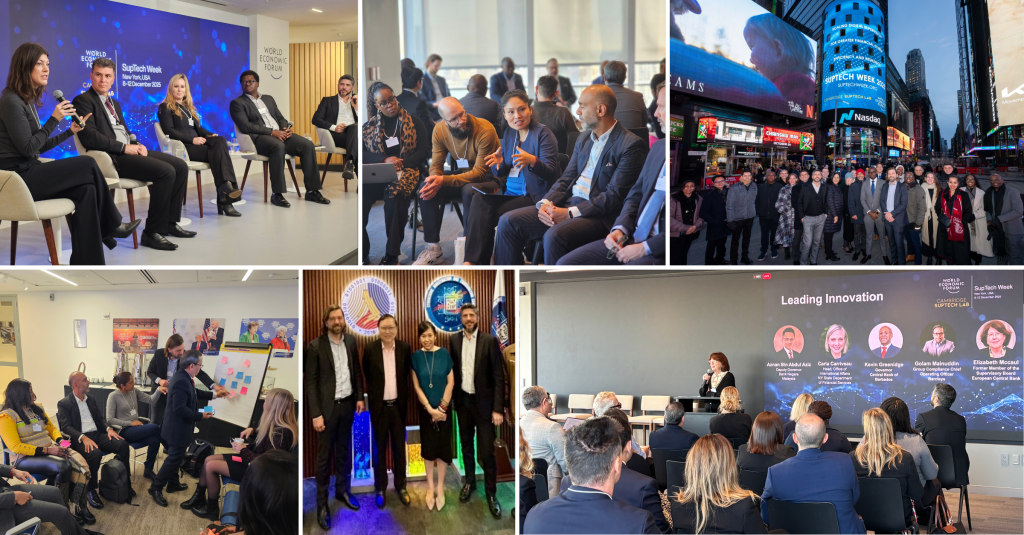
Today marks the final day of the SupTech Lab at the University of Cambridge. The Cambridge SupTech Lan was created to go deeper into questions we had already begun exploring through the RegTech for Regulators Accelerator (R2A) and earlier work at Digital Transformation Solutions (DTS): how can financial authorities meaningfully evolve in a digital world? […]
Simone presents at IDB conference AI for Better Regulation
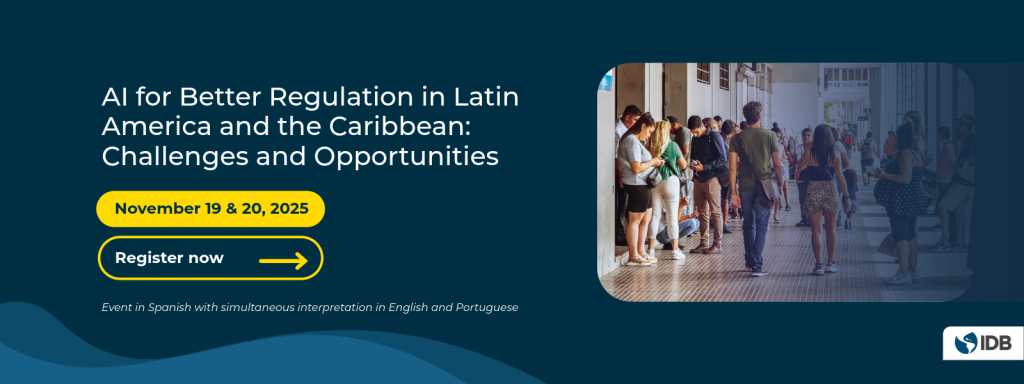
Dr. Simone di Castri, Co-Director of the Lab and CEO of DTS, will be speaking at the AI for Better Regulation in Latin America and the Caribbean conference, hosted by the Inter-American Development Bank on 19 November in Washington, D.C. Simone will present insights from across the region during a panel on the deployment of […]
Keynote presentation during the RegTech Convention 2024, Frankfurt, 18th November 2024

Keynote presentation during the 3rd Symposium of the Global Forum on Illicit Financial Flows and Sustainable Development, June 4-5, 2024.
In today’s rapidly evolving digital landscape, data is the cornerstone of effective anti-money laundering and countering the financing of terrorism and proliferation (AML/CFT/CPF) strategies. We have access to an unprecedented volume of information, and our analytical capabilities have never been more powerful. However, the true potential of these capabilities can be realised through cooperation.
Africa’s SupTech Trajectory: Key Insights from SupTech Week 2024

The technological aspects of financial supervision across Africa are gathering momentum, revealing a fascinating landscape of innovation, challenge, and extraordinary potential. As we unpack the insights from SupTech Week 2024, a compelling narrative emerges of how African financial authorities navigate the intricate digital transformation world.
Shaping the Next Generation of Financial Supervision in APAC: Insights from SupTech Week 2024.
Batchimeg Batbold, Director of Sandbox Unit at Financial Regulatory Commission of Mongolia and Secondee at the Cambridge SupTech Lab
The Asia-Pacific region is home to a highly diverse financial ecosystem, spanning advanced economies such as Singapore, Australia, and Japan and emerging markets with rapidly expanding fintech sectors, including Indonesia, the Philippines, and India. Each jurisdiction’s unique regulatory landscape reflects differences in institutional structures, technological maturity, and market dynamics.
Suptech vs financial crime: Unlocking the full potential of data and digital tools in the fight against illicit financial flows | Keynote, 3rd IFFSD Global Forum

Keynote presentation during the 3rd Symposium of the Global Forum on Illicit Financial Flows and Sustainable Development, June 4-5, 2024.
In today’s rapidly evolving digital landscape, data is the cornerstone of effective anti-money laundering and countering the financing of terrorism and proliferation (AML/CFT/CPF) strategies. We have access to an unprecedented volume of information, and our analytical capabilities have never been more powerful. However, the true potential of these capabilities can be realised through cooperation.
Suptech and greenwashing: A desirable paradigm shift

Retail and institutional investors increasingly choose to invest in assets that align with biodiversity, climate, and other sustainability goals. This trend has led to a surge in the number of financial products claiming to meet ESG objectives. Notably, ESG-labelled debt securities in the global bond market have grown from €135 billion in 2018 to an estimated € 900 billion in 2023, representing around 14 to 16% of the year’s total issuance.
Women in banking: Interview with Sonja Kelly, Women World Banking

For the month of March, in honor of International Women’s Day, the Cambridge SupTech Lab will be featuring inspiring leaders of women in finance and financial supervision. We asked them questions about women in banking as well as about career advice and mentorship. Our next leader is Sonja Kelly, Vice President, Research & Advocacy, Women’s World Banking (WWB).
Women’s economic empowerment: Interview with Clara Arthur, United Nations Capital Development Fund (UNCDF)

For the month of March, in honor of International Women’s Day, the Cambridge SupTech Lab will be featuring inspiring leaders of women in finance and financial supervision. We asked them questions about financial inclusion as well as about career advice and mentorship. Our next leader is Clara Arthur, Policy and Ecosystem Specialist, United Nations Capital Development FundGhana (UNCDF).
Disaggregated data and equal representation: Interview with Inés Páez, Superintendencia de Bancos de la República Dominicana

For the month of March, in honor of International Women’s Day, the Cambridge SupTech Lab will be featuring inspiring leaders of women in finance and financial supervision. We asked them questions about financial innovation, career advice, and what disaggregated data specific to gender can show to help fix gender gaps and improve access within financial systems. Our next leader is Inés Páez, Subdirector, Superintendencia de Bancos de la República Dominicana.